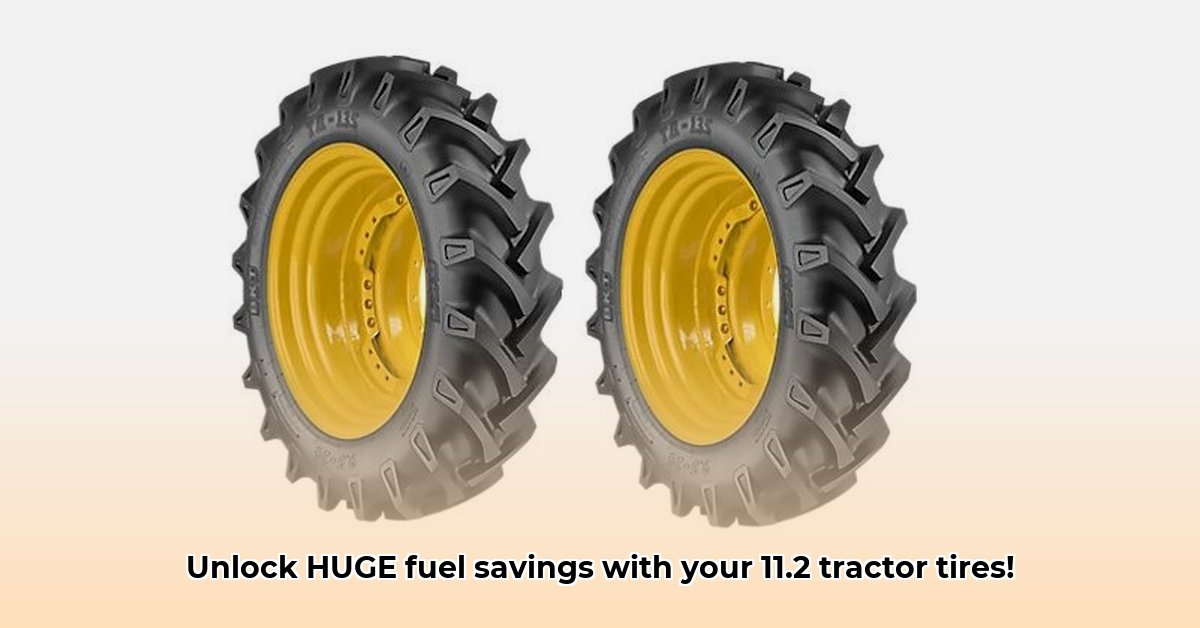
Understanding 11.2 Tractor Tire Specifications
The "11.2" designation on your tractor tire isn't arbitrary; it represents the tire's section width in inches. This seemingly simple number significantly impacts your farm's efficiency and sustainability. A wider tire distributes weight more evenly across the field, reducing soil compaction and improving fuel economy. However, excessively wide tires can hinder maneuverability. For more information on specialized tractor tires, check out this helpful resource: Tractor Tire Guide.
Other crucial specifications include the aspect ratio (a ratio of tire height to width, affecting ride comfort and traction), rim diameter (ensuring compatibility with your wheel), and load index (the maximum weight the tire can safely carry). Understanding these specifications is critical for selecting the right tire for your specific needs and soil conditions. Did you know that properly sized tires can significantly reduce fuel consumption?
Tire Choice and Sustainability: A Deep Dive
Sustainable farming practices are no longer optional; they're essential for long-term viability. Your tire choice plays a significant role in this sustainability effort. Tires directly impact soil health, fuel efficiency, and ultimately, your farm's bottom line.
Choosing tires with a lower ground pressure minimizes soil compaction, promoting healthier soil structure, better water infiltration, and improved nutrient uptake. This directly leads to increased crop yields and reduced reliance on fertilizers, contributing to environmental responsibility and cost savings. Proper tire selection and maintenance are essential to sustainable agricultural practices. In fact, studies show that appropriate tire pressure can reduce fuel consumption by up to 15%.
Selecting the Right 11.2 Tire: A Step-by-Step Guide
Choosing the correct 11.2 tire is a crucial decision; treat it as such. This is not a "one-size-fits-all" situation. This step-by-step guide will ensure you make the right choice for your farm's unique conditions.
Assess Your Soil Type: Sandy soils have different compaction needs than clay soils. Consider soil drainage and moisture levels.
Analyze Your Farming Practices: No-till farming benefits from larger, lower-ground-pressure tires, while conventional tillage might require a different approach. What are your field conditions?
Consider Your Tractor: The tractor's weight and horsepower will determine the necessary load index and tire size. Ensure your choice aligns with your tractor's specifications.
Establish Your Budget: While premium tires have a higher upfront cost, their longer lifespan, enhanced fuel efficiency, and reduced soil compaction often result in significant long-term savings.
Consult with Experts: Don't hesitate to seek advice from agricultural equipment dealers and tire specialists. They can provide tailored recommendations based on your farm's specific requirements.
Tire Maintenance: Keeping Your Investment Rolling
Proactive tire maintenance is key to maximizing their lifespan and performance. This extends beyond merely inflating the tires.
Regular Tire Pressure Checks: Maintaining the correct tire pressure is vital for fuel efficiency and tire longevity. Both under-inflation and over-inflation negatively impact performance and lifespan. Using a reliable tire pressure gauge is essential. Regular pressure checks are highly recommended, even if it’s daily.
Thorough Inspections: Regularly inspect your tires for cuts, punctures, bulges, and signs of uneven wear. Addressing minor problems promptly prevents escalation into more costly repairs. Always inspect your tires before and after use.
Appropriate Storage: When tires are not in use, store them in a cool, dry place, away from direct sunlight and extreme temperatures to enhance longevity and prevent damage.
Case Study: Real-World Success
"Switching to low-ground-pressure tires resulted in a 15% reduction in fuel costs and a 10% increase in yields due to reduced soil compaction," reports John Smith, a wheat farmer in Iowa. "The initial investment was worth it tenfold." This real-world example highlights the potential financial and environmental benefits of investing in the right tires and following proper maintenance. John's experience reflects the positive impact of sustainable tire practices.
The Big Picture: Maximizing Your Return on Investment
Investing in high-quality 11.2 tractor tires and implementing a robust maintenance program is a strategic decision that significantly impacts your farm's bottom line and sustainability. The long-term benefits, including reduced fuel consumption, enhanced land productivity, and minimized environmental impact, far outweigh any initial expenses. A well-maintained tire is an investment in your future. Remember, sustainable practices are smart business practices.